A March 2024 American Academy of Pediatrics study revealed that the percentage of young people in the U.S. taking antidepressants grew dramatically as a result of the COVID-19 pandemic.
Although a powerful tool, medication alone cannot always improve people's mental health. Unique solutions and treatments are becoming increasingly popular.
Therapists specializing in art therapy allow patients to learn more about themselves and manage mental health conditions through creative expression. An art therapy degree can prepare you for graduate study and a career.
Popular Online Programs You May Be Interested In
Learn about start dates, transferring credits, availability of financial aid, and more by contacting the universities below.
Best Art Therapy Degree Programs
What Does an Art Therapist Do?
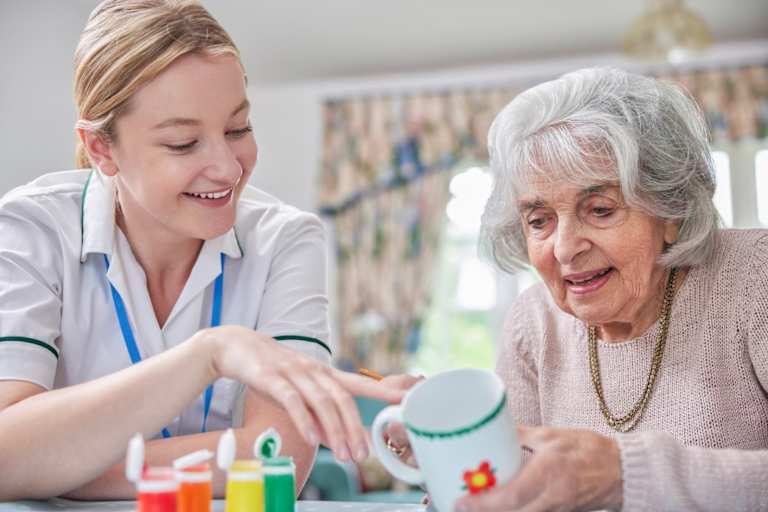
Art therapists encourage patients to work in their preferred medium, such as painting, sketching, or clay. They observe patients' work and ask questions, starting a dialogue resembling traditional talk therapy.
Art therapy features unique advantages, such as relaxing patients and making them receptive to suggestions. Art therapists may treat clients with PTSD, trauma, or depression. Art therapists can specialize in working with children, young adults, veterans, or people with physical or mental disabilities.
Popular Art Therapy Classes
The best art therapy programs feature traditional coursework and in-person experiences. These and other graduation requirements prepare you for graduate study or an entry-level career.
Art Therapy
This introductory class emphasizes the art therapy field's fundamentals. Topics include the art therapist's role and potential impact on different groups.
Art in the Professions
Students in art in the professions interview practicing artists in different mediums. Learning how creating art affects people reveals how it may benefit patients with a mental illness.
Art Therapy Field Experience
Many art therapy degrees require up to four in-person field experiences. Responsibilities include shadowing and working under practicing art therapists. Online programs help students find local field placements.
Abnormal Psychology
Abnormal psychology introduces students to the field's history and latest theories. Research into abnormal psychology prepares learners to identify and treat different mental health disorders.
Media and Methods in Art Therapy
Media and methods in art therapy feature coursework in different modes of creative expression. Professionals use what they learn in this class to analyze patients' art and draw conclusions.
Art Therapy Certification and Licensure
You need more than a bachelor's in art therapy degree to work as a licensed therapist. A master's in counseling with an emphasis or concentration in art therapy can qualify you for licensure.
Master's degrees in art therapy emphasize coursework in psychotherapy, trauma, multicultural counseling, and other topics.
Beyond a master's degree, requirements to become a licensed therapist or counselor differ by state. In California, for example, aspiring clinical counselors must complete 3,000 hours of supervised work experience and pass two exams. Art therapists take continuing education classes to maintain their license.
Do not confuse licensure with certification. Private organizations that include the Art Therapy Credentials Board award board certification to professionals who pass an exam and meet other requirements. You can work with college counselors or your employer's human resources department to find out if art therapy certification can help you launch or advance your career.
Frequently Asked Questions About Art Therapy Degrees
Yes, you need a master's degree to work as a licensed art therapist. Your master's program may let you specialize in clinical counseling or marriage and family therapy.
Although states require that professionals have a master's for licensure, an art therapy degree online bachelor's program can qualify you for some non-licensure positions. Potential career paths include art educator, recreational therapist, and teacher's aide.